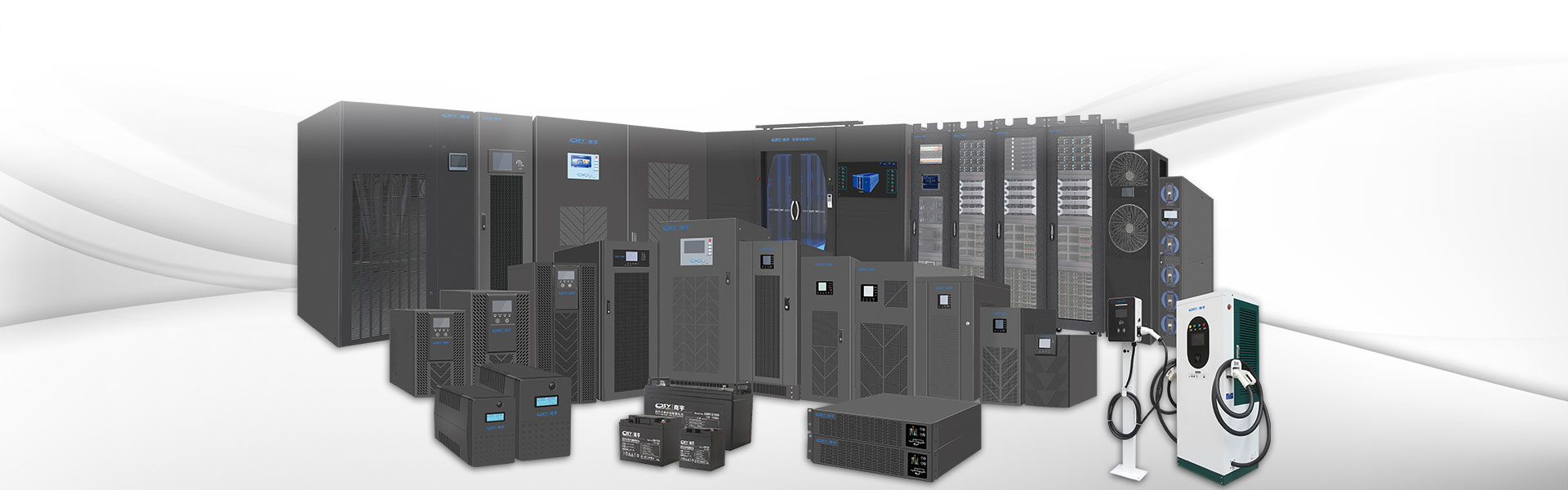
As one of the professional PV Inverter and Energy Storage manufacturers and suppliers in China, we boast our own factory. We offer competitive prices to ensure your satisfaction. We have passed CE certification. Customized PV Inverter and Energy Storage is also available. Welcome to purchase our easy-maintainable and durable products. Let's collaborate to create a better future and mutual benefits.
The PV Inverter and Energy Storage container energy storage system (CESS) is an integrated energy storage system developed to meet the needs of the mobile energy storage market. It integrates battery cabinets, lithium battery management systems (BMS), and container dynamic environment monitoring systems, and can integrate storage according to customer needs. energy converters and energy management systems. The container energy storage system has the characteristics of simplified infrastructure construction costs, short construction period, high degree of modularity, and easy transportation and installation. It can be applied to thermal, wind, solar and other power stations or islands, communities, schools, scientific research institutions, factories, large Load centers and other applications.
PV Inverter and Energy Storage container is two industry, one is PV Inverter industry, another one is Energy Storage container.The photovoltaic system converts solar energy into electrical energy, and the energy storage system stores the electrical energy generated by the photovoltaic equipment. When this electrical energy is needed, it is inverted into alternating current through the energy storage converter for use by the load or the grid.
In the photovoltaic industry, there are: centralized, string, and micro inverters
Inverter - DC to AC: The main function is to invert the DC power converted by solar energy into AC power through photovoltaic equipment, which can be used by the load or integrated into the power grid or stored.
Centralized type: applicable to large-scale ground power stations and distributed industrial and commercial photovoltaics, with general output power greater than 250KW.
String type: applicable to large ground power stations, distributed industrial and commercial photovoltaics (generally output power is less than 250KW, three-phase), and household photovoltaics (generally output power is less than or equal to 10KW, single-phase).
Microinverter: The applicable scope is distributed photovoltaics (generally output power is less than or equal to 5KW, three-phase) and household photovoltaics (generally output power is less than or equal to 2KW, single-phase).
PV Inverter and Energy Storage container, its Energy storage systems include: large storage, industrial and commercial storage, household storage, and can be divided into energy storage converters (traditional energy storage converters, Hybrid) and all-in-one machines.
Inverter-AC-DC conversion: The main function is to control the charge and discharge of the battery. The DC power generated by photovoltaic power generation is converted into AC power through the inverter. At this time, part of the electrical energy needs to be stored in the battery, and the energy storage converter needs to be used to convert it. The alternating current is converted into direct current for charging. When this part of the electric energy is needed, the direct current in the battery needs to be converted into alternating current (generally 220V, 50HZ) through an energy storage converter for use by the load or integrated into the power grid. This is discharge. process.
The English name of the energy storage converter is Power Conversion System, or PCS for short. It controls the charging and discharging process of the battery and converts AC to DC power. It is composed of a DC/AC bidirectional converter, a control unit, etc.
Large storage: ground power station, independent energy storage power station, generally the output power is greater than 250KW.
Industrial and commercial storage: Generally, the output power is less than or equal to 250KW.