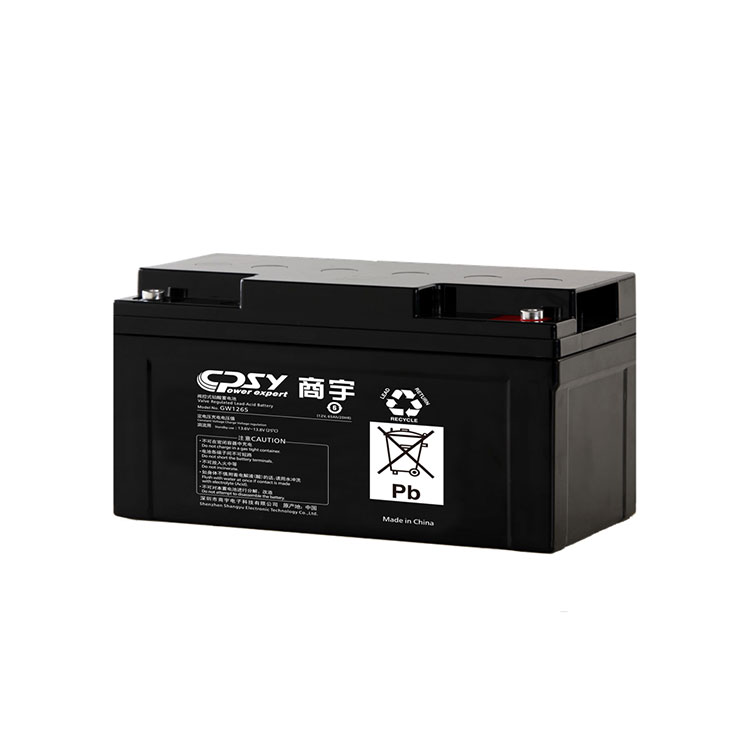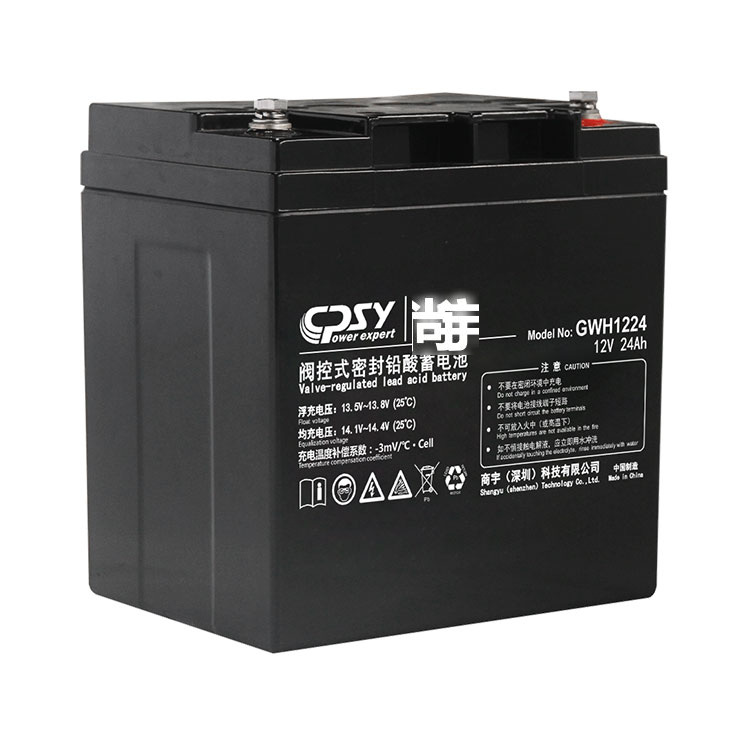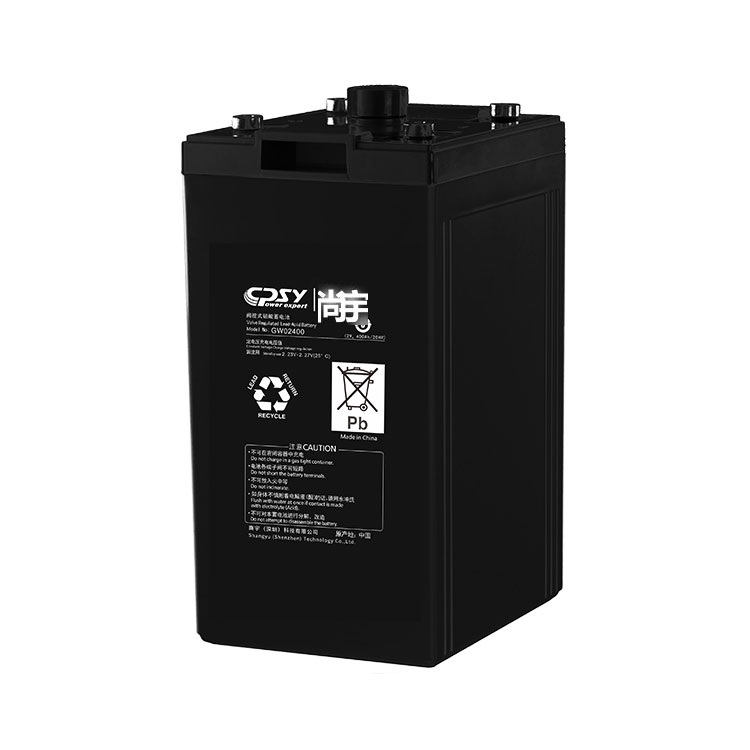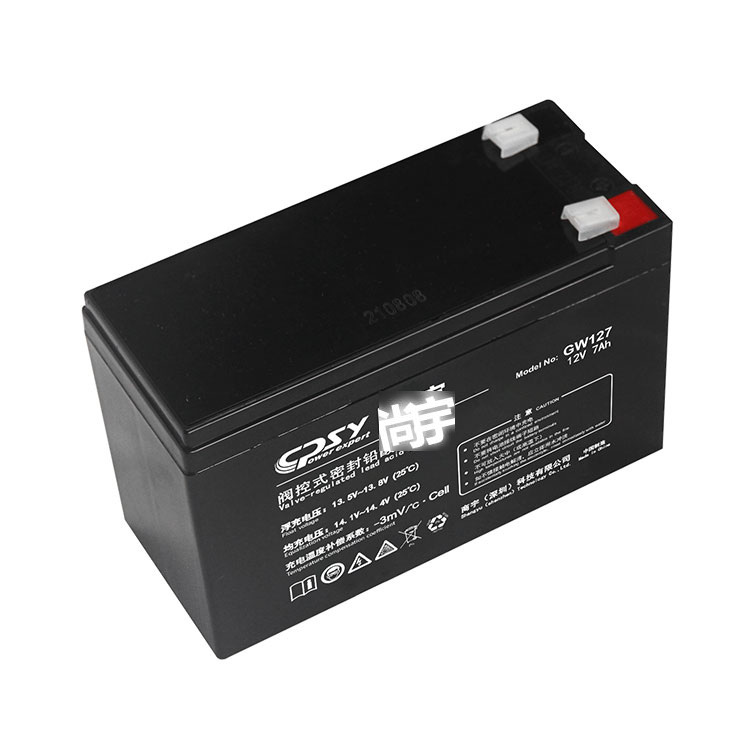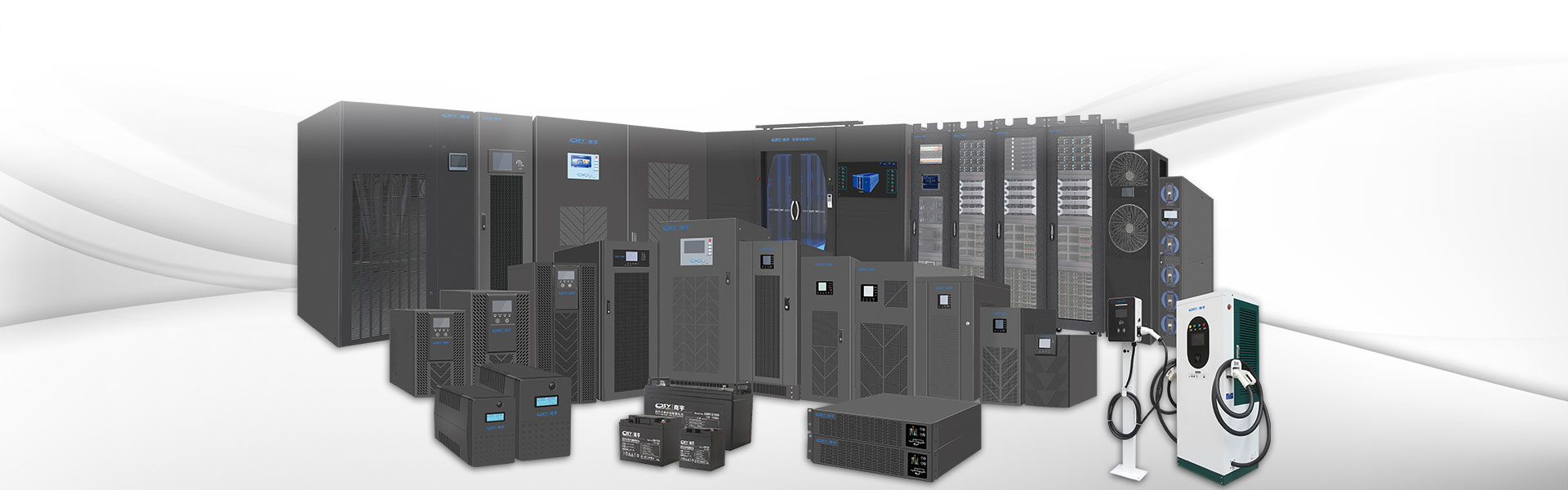
As one of the professional UPS Battery manufacturers and suppliers in China, we boast our own factory. We offer competitive prices to ensure your satisfaction. We have passed CE certification. Customized UPS Battery is also available. Welcome to purchase our easy-maintainable and durable products. Let's collaborate to create a better future and mutual benefits.
Some of the UPS batteries provided by SHANGYU POWER CHINA are homemade (from the company's Foshan battery factory), and the other part are OEM purchased from battery manufacturers famous for their quality in the industry. In order to ensure product stability and reliability, as well as meet customer requirements for safety and performance, Shangyu SHANGYU POWER CHINA® UPS battery adopt strict quality control, mainly as follows:
1. Raw material control
The main raw materials of lead-acid batteries include lead, sulfuric acid, plastic and rubber. When purchasing these raw materials, make sure they meet quality standards and have stable supply channels. For lead and sulfuric acid, check whether their purity and chemical composition meet the requirements. For plastics and rubbers, make sure they have adequate strength and durability.
2. Production process control
During the production process, the quality of each process link must be strictly controlled. For example, the casting of lead plates, the manufacturing of electrode plates, the assembly of batteries, acid injection, glue injection and chemical formation all need to be operated in strict accordance with process requirements.
3. Finished product testing
1. Appearance inspection: Check whether the appearance of the lead-acid battery is intact and whether there are scratches, cracks, dents, leaks, etc. , whether the battery pole group is flat and whether there are foreign objects.
2. Check the voltage: Use a multimeter to measure the voltage of the lead-acid battery. Under normal circumstances, it should be above 13V to be a good battery.
3. Check the electrolyte: Observe the electrolyte inside the lead-acid battery. If the electrolyte is insufficient or turbid, the lead-acid battery may be faulty.
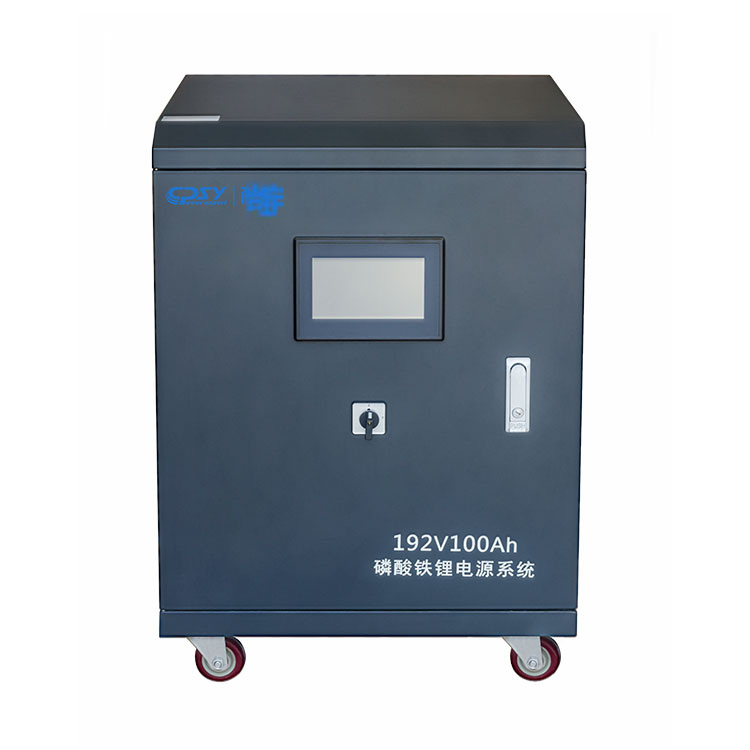
There are two types of UPS battery: one is sealed maintenance-free lead-acid battery (2V, 12V, 6V), and the other is lithium iron phosphate battery (36V, 48V, 192V). Lead-acid battery is a common chemical battery, which mainly uses lead and lead dioxide as electrode materials and sulfuric acid as electrolyte, including positive and negative electrodes, electrolyte, separator, positive and negative electrode leads, center terminal, insulating material, The production process of safety valves, sealing rings, PTC (PTC), battery cases and other parts mainly includes ingredients, coating, curing, charging and other steps. Lead-acid batteries are widely used in various fields such as automobiles, electric power, and telecommunications.
The structure of a lead-acid battery mainly includes positive plate, negative plate, electrolyte, separator, battery tank, battery cover and other parts. The positive and negative plates are the core parts of lead-acid batteries, and they are made of lead and lead oxides. The electrolyte is an aqueous solution of sulfuric acid that reacts chemically with the positive and negative electrodes to produce an electric current. The separator is located between the positive and negative electrodes to prevent the positive and negative electrodes from coming into direct contact and causing a short circuit. The battery slot and battery cover are used to contain and protect the components inside the battery. In addition, lead-acid batteries are equipped with safety valves and exhaust valves to prevent battery overcharging and excessive pressure. It is a relatively mature technology with a history of more than 150 years and has good reliability and maintainability. The selling points of lead-acid batteries mainly include the following points:
1. High reliability: Lead-acid batteries have high reliability and can withstand harsh working environments, such as high and low temperatures.